Inclusion Conference 2026
Kingston Park Stadium
The Schools North East Inclusion Conference 2026 is your essential opportunity to tackle one of the most pressing challenges in education today: Inclusion. As schools across the North East face mounting pressures from rising SEND needs, a shortage of specialist placements, and seismic changes to the Ofsted framework, this event will equip you with the tools, strategies, and inspiration to lead in this new landscape. Mainstream schools are increasingly at the forefront of delivering inclusive education, supporting children with diverse abilities, needs, and circumstances in the face of complex systemic barriers.
With Ofsted’s new framework placing inclusion firmly at the heart of school inspections, there is a renewed focus on how every pupil is supported to succeed. This shift highlights the importance of early identification, inclusive teaching, and strong leadership in making sure no child is left behind. Our Inclusion Conference 2026 will bring school leaders, practitioners and experts together to unpack what these changes mean in practice, share real-world strategies, and celebrate the progress being made across our region.
The event will provide you with:
- Practical Strategies: Learn actionable methods to address resource gaps, break down barriers, and create inclusive environments.
- Expert Insights: Hear from thought leaders, practitioners, and policymakers who are redefining inclusion in education.
- Hands-On Workshops: Explore topics such as:
- Designing Inclusive Curricula: Represent diverse needs and perspectives in your teaching.
- Challenging Systemic Inequalities: Equip your school to better support marginalised groups.
- Building Positive Attitudes: Create a whole-school culture of acceptance and celebration of diversity.
- Collaborating Effectively: Partner with families, external agencies, and the wider community for holistic support systems.
Who Should Attend?
- Head Teachers and School Leaders
- SENDCOs and Inclusion Leads
- Pastoral and Wellbeing Staff
- Policy Influencers and Governors
Due to the ongoing Tyne Bridge works, queues at the Tyne tunnel may take longer than expected.
Book your placeEvent Organiser

Event Costs
SNE Partner School£90 +VAT
Non Partner School£130 +VAT
Commercial/Educational Supporter£250 +VAT
Non School£300 +VAT
For groups of 3+10% Discount
Book your placeEvent Overview
AI in Education to Support SEND Pupils – Martin Bailey, Director, animate2educate
Explore how AI can be used to create inclusive learning environments and improve outcomes for all learners. This session will examine the key benefits of AI, practical considerations for implementation, and how to confidently introduce it in your setting. Gain insights into how AI can enhance accessibility, personalise learning, and support SEND pupils in meaningful ways.
By the end of this session you should be able to:
• Recognise the Potential of AI in Supporting SEND Pupils – Delegates will understand how AI can enhance accessibility, personalise learning experiences, and provide targeted support for pupils with Special Educational Needs and Disabilities.
• Explore AI Tools for Different SEND Needs – Delegates will become familiar with a range of AI-driven tools and how these can support pupils with diverse needs.
• Develop Strategies for Effective AI Integration – Delegates will learn how to introduce AI tools into their teaching practice, ensuring they complement existing support strategies and are used effectively to benefit SEND pupils.
Rethinking Inclusion: Supporting Hidden Anxiety and Re-engaging the Invisible Middle – James Searjeant, Head Teacher, Wyborne Primary School
Inclusion is often framed through visible need, yet many children sit in the “invisible middle” appearing to cope but quietly experiencing anxiety, pressure, and a growing disconnect from school. This session explores how hidden anxiety shapes engagement, including for boys who may be more likely to externalise or mask their struggles, while recognising that many girls also go unseen in different ways.
Drawing on personal and professional experience, James challenges the limitations of zero-tolerance behaviour policies and high-stakes testing and instead focuses on practical, values-driven approaches that place inclusion at the heart of school culture. Attendees will gain tangible strategies to better recognise and respond to less visible needs, creating environments where mental health, neurodivergence, and identity are understood as central to belonging and success, not an add-on.
Supporting Disadvantaged Pupils to Thrive – Marc Rowland, Disadvantaged Learners Adviser, Unity Schools Partnership
In this session, Marc Rowland will explore approaches to supporting disadvantaged pupils so they can thrive across all areas of school life. He will draw on insights from his extensive work with schools, trusts, and national partners, as well as reflections from his most recent book, ‘A–Z of Addressing Disadvantage’ (May 2025).
What Is Needed for Some, Benefits All – Amjad Ali, Trust CPD and Inclusion Lead, Chiltern Learning Trust, and Educational Consultant, Try This Teaching
Join Amjad for an insightful look at low effort, high impact ideas on how to truly become an adaptive teacher!
The Many Layers of Inclusion In Early Years: How We Meet The Diverse Needs Of Our Children Every Day – Sarah Dixon-Jones, Vicky Cooper & Kathryn Nichols
At Inspiring Foundations, inclusion is a living practice interwoven into everything we do.
In this 40 minute session, Sarah, Vicky and Kathryn will explore the many layers that shape their approach to meeting the diverse needs of every child and their family.
They will demonstrate how their pedagogy, curriculum, and environment are intentionally designed to place inclusion at the heart of everyday practice. You’ll see how inclusion is reflected in the smallest details through their daily routines, rich environments, and the relationships they build and how staff act as the golden thread, ensuring that every child is seen, understood, and valued.
The session will highlight:
- How their curriculum design and progression documents reflect children’s individual pathways.
- The role of observations in understanding each child’s story and shaping responsive practice.
- The influence of the 100 Languages of Children in celebrating multiple ways of learning and expression.
- How inclusive environments and routines foster confidence, independence, and empathy.
- The importance of reflective practice in sustaining truly inclusive provision.
Through practical examples, reflective discussion, and real life illustrations from their nurseries, Sarah, Vicky and Kathryn will consider how inclusion looks, feels, and evolves when it is authentically embedded in every layer of practice.
Why are so many Autistic Learners Struggling in Mainstream Schools? And what can we do about it? – Deborah Riby & Mary Hanley, Durham University
School can be a really difficult place for autistic learners – there’s so much to contend with beyond academic learning. Schools are busy, noisy, unpredictable places, where schedules and expectations change frequently. For autistic learners, with needs relating to attention, sensory arousal and anxiety, these demands make school really challenging.
In this talk, we will present a programme of research on why mainstream school environments give rise to fundamental challenges for autistic learners, and why we need to reframe our understanding of difficulties at school in terms of the environment in order to support inclusion. With evidence from our Triple-A training for education professionals (www.tripleadurham.co.uk ), we will discuss how research on attention, sensory arousal and anxiety can change understanding of these needs and practice of support, leading to positive impacts for school staff and the autistic (and neurodivergent) learners they support.
Where does Family Stop & School Start? – Ed Davies, Director of Research, Centre for Social Justice
From behaviour and attendance to feeding, toileting and even brushing teeth, schools are increasingly stepping into areas once considered the responsibility of families. Is the social contract broken and what should the roles of school and parents be?
Laurel Trust-funded initiative focused on AI use with severely absent students – Andy Sherlaw, Billie Rainer & Michael Yarde, Whitley Bay High School
Whitley Bay High School is the lead school involved in a Laurel Trust-funded initiative focused on use of AI to support severely absent students. This collaborative project brings together schools to enable shared learning and scalable innovation, and looks at research and development into how AI can improve engagement for students with low attendance.
What you will learn:
- Supporting Transition After Periods of Absence: Hear how schools have attempted to use AI study bots to improve attendance and engagement for students returning from severe absence, internal suspension, lesson removal, or part-time timetables. Each school shaped the project to fit its context, with varying levels of success
- The Potential for Scale: Listen to how the schools involved in the research are considering how they will evolve the use of study bots. This includes incorporating them into homework and independent learning policies, revision routines, and personalised learning. The project has enabled schools to consider how AI use could grow far beyond the initial pilot, offering benefits across phases and contexts
- Student and Parent Perspectives: Listen to parent and student views on why AI has – and has not – worked for them. Their insights reveal why some were enthusiastic about interacting with the AI, while others were hesitant, with reasons ranging from digital confidence to clarity of purpose. Understanding these perspectives will be crucial for designing more inclusive, accessible tools moving forward
Growing Tomorrow’s SENCOs Today – John Downs, Claire Pack and Caroline Lear, Spark Education Trust
One trust’s approach to ensuring that there is effective leadership of SEND, today and in the future, in each one of its schools so that pupils with SEND thrive and are well prepared for their future education and work.
The presentation will cover:
- The role of our Trust SENDCOs
- The support provided for school SENCOs including their well-being
- Support for aspiring SENCOs
- Deployment of Teaching Assistants
- Working together to further develop each school’s inclusion culture
- Effective working with other agencies and LAs
- Effective working with parents including handling complaints
- Monitoring the quality of pupil experience
- Before, during and after OFSTED
- Contribution to the wider SEND system
There will be time for focused discussion in response to issues raised in the presentation to enable the sharing of effective practice.
The Power of Belonging: Transforming Culture from the Inside Out – Lucy Gowland, DfE Regional Adviser Attendance, Behaviour Hubs
This session will cover:
- Attendance & Behaviour Hub Update
- Why Belonging Matters
- Belonging as a Cultural Driver
- Barriers to Belonging
- Belonging in Action
- Mapping the Belonging Journey
- A Call to Action
Defining Learner Characteristics: Designing Provision That Truly Fits – James Waller, Head Teacher, Sunningdale School & Early Years Centre Director of SENhub
How well do we really understand the learners in our settings — and how confidently
can we use that understanding to design the right provision?
In this workshop, participants will explore how moving beyond labels such as SLD, Autism and MLD, and towards a shared language of learner characteristics, enables more precise, ambitious and purposeful SEND provision. Drawing on successful practice, the session focuses on how understanding how a child learns should drive decisions about provision packages in terms of curriculum models, pedagogy, environments, resources and assessment.
The workshop will examine key characteristics related to social, emotional, sensory and executive functioning presentation that schools and settings can meaningfully assess and consider to support both individual planning and the design of coherent specialist provision and curriculum pathways within specialist settings, specialist bases, resourced provisions and enhanced SEND offer models.
The session highlights a common challenge: that identifying who bespoke or specialist provision is for — and why — is often the least well understood aspect of provision design. Through practical examples and reflective discussion, the workshop will explore how clearer understanding of learner characteristics support more accurate and purposeful use of environments, staffing models, curricular approaches and assessment frameworks, reducing mismatch and increasing impact for children and young people with SEND.
The Importance of Nervous System Regulation and How To Do It! – Hollie Rankin & Corrin Watson, Wise Academies
Hollie and Corrin’s session will focus on the theory behind and importance of cultivating calm in the classroom. Practical strategies will be provided and discussed.
Delegates can expect to learn:
- How can you progress in this area and what benefit will that have on your well-being.
- Why is it important that children and the adults that work with them are able to regulate their nervous system.
- What strategies can be used to support the children in your class to do this.
Supporting SENCO Workload – Laura Nocon, Assistant Headteacher, Specialist Provision and SEND, Collingwood School & Media Arts College
This session aims to discuss the core priorities for SENCOs and strategies to further support workload for teachers in this role. Areas of exploration included are: strategic planning and school procedures to support; empowering staff; and support systems.
A New Model for Inclusive SEND Provision – Sally Newton, Chief Executive Officer, Laidlaw Schools Trust
In this session, Sally Newton explores what it really means to design an inclusive system that works for children with SEND within mainstream education. Drawing on personal experience, trust-wide strategy and the development of the Skylight Centres, Sally will argue that inclusion fails not through lack of ambition, but through flawed system design.
The session will challenge the growing assumption that creating more inclusion bases automatically leads to better inclusion, warning instead of the risk of embedding new forms of internal exclusion within mainstream schools. Using Skylight as a proof point rather than a solution in itself, Sally will set out a broader model for inclusive SEND provision built around early identification, expertise within schools, curriculum access, partnership with families and purposeful reintegration.
This session is aimed at leaders who want to move beyond place-based solutions and think differently about how systems can be redesigned so that more children can access learning, belong in their communities and succeed in mainstream education.
The Communication Journey: Blending Practice to Support Every Child’s Voice – Emma Brown, Early Years Lead, Barnwell Academy
This workshop will explore Barnwell Academy’s journey in responding to the increasing speech, language and communication needs seen in children entering Early Years. The session will reflect on the challenges faced within nursery provision and the steps taken to develop a whole-setting approach to supporting communication through everyday practice.
The workshop will share how staff training, communication-friendly environments, purposeful provision and targeted support have helped strengthen children’s speech, language and understanding across the setting. It will also highlight the importance of relationships, meaningful interactions, parent engagement and inclusive practice in improving outcomes for all children and supporting families throughout their child’s learning journey.
Attendees will leave with practical reflections and strategies for embedding speech and language development within everyday Early Years practice.

Marc Rowland
Disadvantaged Learners Adviser, Unity Schools Partnership
Marc is the adviser for improving outcomes for disadvantaged learners for the Unity Schools Partnership, a large cross-phase Trust based in the East of England.
Marc has worked and still is working with numerous Local Authorities, Multi Academy Trusts, Research Schools, Teaching School Hubs, English hubs and groups of schools nationally on long term projects to support better outcomes for disadvantaged pupils. He has carried many area based programmes, from Cumbria to Cornwall focussed on the experiences of disadvantaged pupils in schools and classrooms nationally.
Marc has also been working with the Jersey government for six years on the introduction and
implementation of a ‘Jersey Pupil Premium’. This has led to a marked improvement in outcomes over time for disadvantaged pupils there. Marc works with, and advises the Department for Education on addressing educational disadvantage in schools. He has worked with well over 1000 individual schools to support them with their strategies to improve outcomes for disadvantaged pupils.
Marc is the education adviser to the Driftwood Association, a Swiss charitable foundation running education and development projects in Nepal. He was formerly director of the Research School at Rosendale Primary School in Lambeth, and the Deputy Director of the National Education Trust (now NET Academies Trust). Marc’s most recent book is 'A-Z of Addressing Disadvantage' was published in May 2025. ‘Addressing Educational Disadvantage’ was published in February 2021. The second edition of his award-winning book, ‘An Updated Practical Guide to the Pupil Premium’, was published in December 2015 (John Catt Educational). His book ‘Learning without Labels’ was published by John Catt in March 2017.

Amjad Ali
Trust CPD and Inclusion Lead, Chiltern Learning Trust, and Educational Consultant, Try This Teaching
Amjad Ali is regarded as one of the most engaging and empowering voices in the fields of inclusive leadership and professional development. With his trademark humour, warmth and clarity, Amjad brings a rare ability to translate the complexities of teaching and educational leadership into practical strategies that challenge, inspire and stick.
Having spent over 19 years teaching and leading in diverse and high-need schools; including seven years as a founding leadership team member of a new secondary start up school. Amjad now serves as CPD and Inclusion Lead for the Chiltern Learning Trust, supporting leaders, teachers and school communities to grow cultures of equity, ambition and sustained professional learning.
Amjad’s delivery is grounded in lived experience. He began his career as a Play Worker and then a Teaching Assistant in Young Offender institutions before training as a teacher and later becoming an Advanced Skills Teacher in Teaching and Learning, before training as a SENDCO and senior leader. This journey has shaped a leadership philosophy rooted in equity, high expectations and transformational CPD.
He has delivered keynotes, workshops and INSET to audiences across all phases of education, from early career teachers to CEOs working with over 650 schools and thousands of educators across the UK and internationally. Whether in front of newly qualified teachers or leading a trust-wide leadership event, Amjad’s sessions are consistently praised for being funny, thought-provoking, energising and immediately actionable.

Martin Bailey
Director, Animate 2 Educate Ltd
Martin Bailey is an esteemed educator with over 25 years experience in primary school teaching and leadership roles across the UK. Currently, Martin serves as a part-time teacher and Computer Subject Leader at Ellington Primary School in Northumberland and Birchwood Primary School in Tamworth. In these positions, he passionately delivers the Computing curriculum to students from Early Years Foundation Stage to Year 6 while spearheading digital enrichment activities and shaping the schools' digital strategies.
Beyond his classroom commitments, Martin is the driving force behind Animate 2 Educate Ltd, where he acts as a Primary Computing Advisor. Through this platform, he extends his expertise globally, conducting engaging workshops for students and comprehensive training sessions for staff on all aspects of Primary Computing and technology integration. Martin's academic journey includes lecturing roles at institutions such as Durham University and his current involvement at Sunderland University, where he educates PGCE and BA students on Primary Computing. Martin's influence transcends the classroom; he's a frequent presenter at international conferences like BETT and the SEND Show.
He's also a regular contributor to educational publications and has served as a judge for prestigious awards like BETT and ERA (Education Resource Awards). Notably, he has held advisory positions for both BETT and NAACE (National Association of Advisors for Computers in Education), demonstrating his commitment to shaping the educational landscape.

James Searjeant
Head Teacher, Wyborne Primary School
James Searjeant is a serving primary headteacher with over a decade of leadership experience and a passionate advocate for curriculum innovation and inclusive education. He has written extensively on curriculum reform and inclusion, with published articles influencing national debate. A member of the Foundation for Education Development, James brings personal and professional insight into the challenges of anxiety, identity, and belonging in education. His work champions immersive and creative approaches to teaching and learning that equip pupils not only with knowledge but also with resilience, confidence, and a strong sense of self.

Ed Davies
Director of Research, Centre for Social Justice
Edward leads the research output of the CSJ, where he has been a director on and off since 2016. During this time he also spent two years in government as an expert advisor to several secretaries of state and has worked as a commentator and pundit across a range of print and broadcast media. Prior to this he had a 15 year career as a journalist which included such varied roles as the US editor of the British Medical Journal and a political columnist for several men’s magazines.

Professor Mary Hanley
Professor in Psychology, Co-Director of the Centre for Neurodiversity & Development, Durham University
Mary Hanley is a Professor of Developmental Psychology in the Department of Psychology at Durham University and co-Director of the Centre for Neurodiversity and Development. She is especially interested in how challenges with attention, sensory arousal and anxiety interact with each other and impact on engaging and learning at school. Over the last number of years, she has led the ‘Triple-A’ programme which is focused on translating research evidence to practice within education, to change practice and benefit neurodivergent children and young people. For this work, she received the British Psychological Society Development Section Award for Impact and Engagement in 2024.
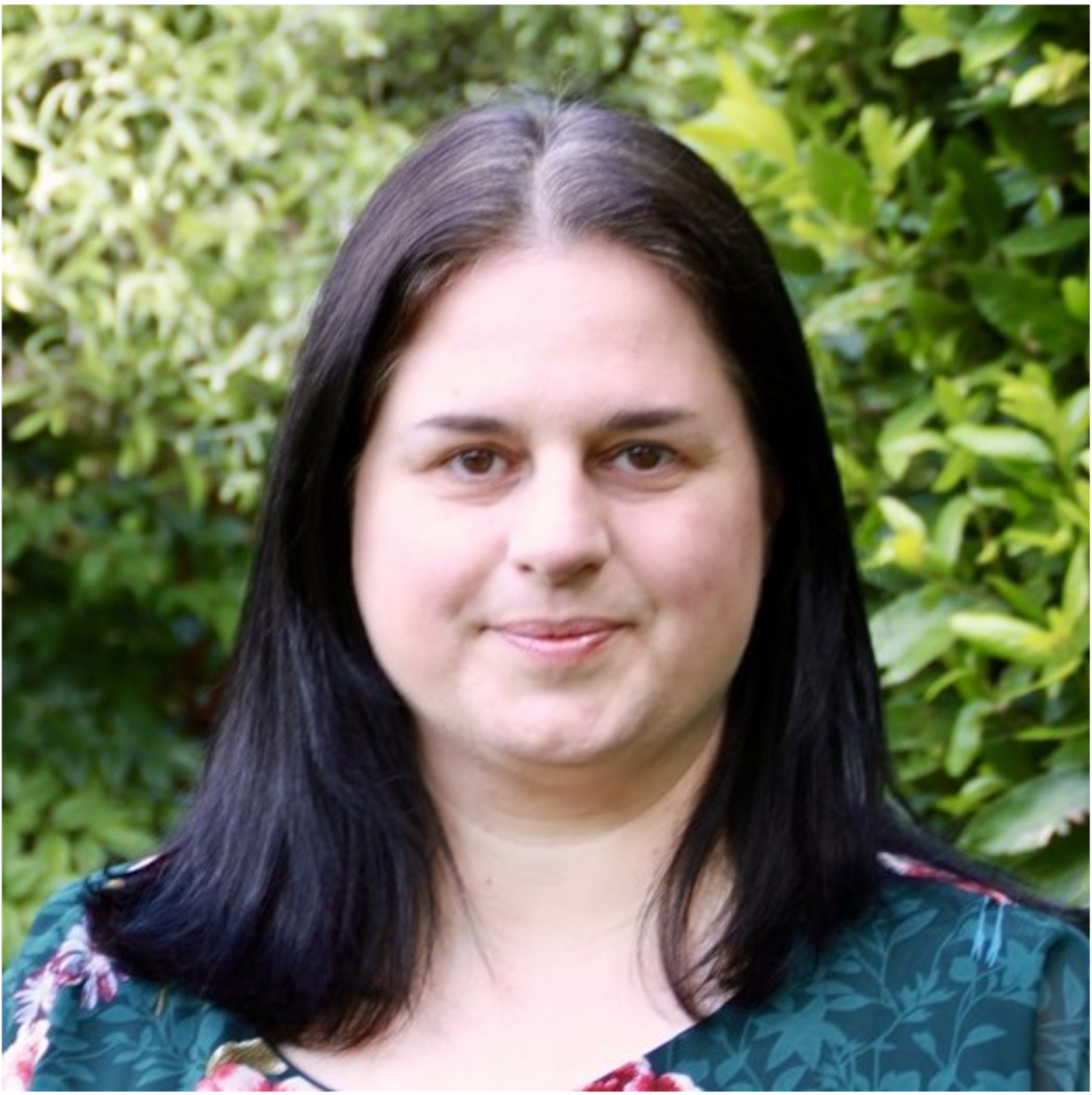
Professor Debbie Riby
Professor in Psychology, Co-Director of the Centre for Neurodiversity & Development, Durham University
Deborah Riby is a Professor of Developmental Psychology at Durham University. She is co-Director of the Centre for Neurodiversity & Development. Debbie’s research focuses on neurodiversity and neurodivergence, especially in relation to cognition, behaviour, and education. Her research has taken a multi-methods approach to understanding facilitators, barriers, and lived experiences for neurodivergent pupils within mainstream schools. Debbie is an Elected Fellow of the Academy of Social Sciences, an Associate Fellow of the British Psychological Society, and a Principal Fellow of the Higher Education Academy.

Andy Sherlaw
Deputy Headteacher, Whitley Bay High School
Andy Sherlaw is Deputy Headteacher at Whitley Bay High School, where he leads on strategic initiatives to enhance teaching and learning. He has worked on behalf of the Department for Education to reduce teacher workload, contributing to national efforts to streamline processes and improve staff wellbeing. In addition, Andy serves as an AI trainer for the North Tyneside Learning Trust, supporting schools in harnessing emerging technologies to improve efficiency and enrich classroom practice.

Michael Yarde
Teacher of IT & Computer Science, and Assistant Head of Year 11, Whitley Bay High School
Michael Yarde is a teacher of IT & Computer Science at Whitley Bay High School. In addition to his classroom responsibilities, Michael is also the Assistant Head of Year 11, Whole School Pastoral Data Lead, Data Lead for the Laurel Trust AI Project and Duke of Edinburgh co-ordinator.
Outside of work, Michael is lifeboat crew with Cullercoats RNLI.

Billie Rainer
Head of RE & Philosophy, Whitley Bay High School
Billie Rainer is Head of RE and Philosophy at Whitley Bay High School. She works as an AI bot developer and training lead on the Laurel Trust AI research project, focusing on investigating how AI bots can be used to support students transitioning back into education following periods of absence. She previously worked as Assistant Lead Trainer at WBHS, where she designed and delivered staff CPD on the effective uses of AI for teaching and learning.

Lucy Gowland
DfE Regional Adviser Attendance, Behaviour Hubs and School Improvement & Safeguarding Lead, The Legacy Learning Trust
Lucy Gowland is a passionate advocate for inclusive education and a key leader of school improvement across The Legacy Learning Trust. She believes deeply that when inclusion sits at the heart of school culture, every young person benefits.
Before taking on her Trust‑wide role, Lucy played a pivotal part in leading successful school improvement at Acklam Grange, strengthening inclusive practice, raising outcomes for vulnerable learners, and embedding systems that ensured every student could thrive. This work now underpins her wider influence across the Trust.
Her expertise has recently been recognised nationally through her appointment as a DfE Regional Adviser for Attendance and Behaviour Hubs, where she supports schools across the region to develop evidence‑informed approaches that improve engagement, strengthen behaviour cultures, and remove barriers to regular attendance.

Sarah Dixon-Jones
Head Teacher, Mill Hill Nursery School & Houghton Community Nursery School
Sarah Dixon‑Jones is the Executive Head Teacher of two maintained nursery schools in Sunderland, with a rich career spanning schools and local authorities, Sarah has developed a strong pedagogical philosophy grounded in excellence in Early Years education. Her leadership is shaped by extensive experience in advisory and senior roles, enabling her to support practitioners in creating high quality provision, reflective practice, and a deep understanding of Early Years pedagogy. Sarah is particularly passionate about helping educators explore the “why” behind their practice, ensuring professional development is meaningful, collaborative, and transformative. Driven by a commitment to raising standards for children and families, she champions inclusive, impactful education and nurtures staff to grow, innovate, and deliver exceptional experiences for every child.

Vicky Cooper
Deputy Head Teacher and SENDCo, Mill Hill Nursery School & Houghton Community Nursery School
Victoria Cooper is an experienced Deputy Headteacher and SENDCo currently based across two Nursery Schools in Sunderland. With a strong background in school improvement and inclusive practice, she served as an Expert in the Department for Education’s Covid Recovery Programme and, from September 2024, as a Senior SEND Advisor and Coach for Together for Children (TfC). Victoria is passionate about empowering schools to create high-quality, inclusive environments where all learners can thrive.

Kathryn Nichols
Nursery Teacher, Houghton Community Nursery School
Kathryn Nichols is an early years teacher with Inspiring Foundations and a passionate advocate for mathematical development and creative, curiosity driven learning. Her work is grounded in a deep understanding of early childhood development, and she is committed to creating meaningful, hands-on learning experiences that nurture children’s confidence, creativity, and sense of wonder. Kathryn’s practice blends play, exploration, and she is a valued contributor to collaborative projects connecting educators with researchers most recently through her involvement in the Young Minds Big Maths project. Through her reflective, child centred pedagogy and her dedication to empowering both children and practitioners, Kathryn continues to champion innovative early years practice that places purposeful learning and children’s voices at the heart of the classroom.

James Waller
Head Teacher, Sunningdale School & Early Years Centre Director of SENhub
James Waller is Headteacher of Sunningdale School, Sunningdale Early Years Centre and SENhub, a serially Outstanding specialist school and training, outreach and workforcedevelopment organisation in Sunderland, Tyne and Wear.
Since 2002, he has specialised in education for children and young people with severe, profound
and complex learning disabilities, supporting the development of childfirst pedagogical approaches used nationally and internationally.
James contributes to national SEND policy through advisory work, ministerially convened cross sector group membership, and formal expert and funding groups. He is also the Chairperson of Equals, a trustee of the Federation of Leaders of Special Education, a member of the DfE Expert Advisory Group (EAG) on Early Years SEND and the Parliamentary CoChair of the Council for Disabled Children’s Special Education Consortium.

John Downs
Director of Education, Spark Education Trust
John Downs prior to becoming a Director of Education with Spark Education Trust was for more than twenty years a senior leader in a large 11-18 comprehensive. His responsibilities included having an oversight of curriculum, sixth form provision and special educational needs. As Director of Education he has oversight of all aspects of provision in our 11 primary schools and provision for children with SEND in all 15 schools.

Caroline Lear
SEND Director, Spark Education Trust
Dr Caroline Lear is a Director of SEND for Spark Education Trust and Assistant Head Teacher at Egglescliffe School and 6 th Form College. An experienced educational professional, Caroline holds the NPQH and several other SEND related qualifications and has experience at Senior Leadership level in the UK and across various Local Authorities and in International Schools. Caroline specialises in supporting and improving the special educational needs provision in both primary and secondary schools, achieving great success helping provide inclusive provisions that support all children to achieve their best both academically, and personally with well-developed skills for life.

Claire Pack
SEND Director, Spark Education Trust
Claire Pack is a highly experienced leader in Special Educational Needs (SEND) Her dual role as Director of SEN for Spark Education Trust and SENCO at Conyers School allows her to influence both high-level strategy and day-to-day student support.
With over 20 years of SEND experience, her current role involves:
- Trust-wide Leadership: Overseeing SEND provision across multiple schools to ensure consistency and high standards.
- Operational SENCO Work: Managing the specific needs of students in an 11-18 secondary and Sixth Form setting.
- Specialist Expertise: She is a qualified Exam Arrangements Assessor and specialist teacher, with a deep technical understanding of classroom inclusion and formal assessments.
- System Leadership: Her work extends to the national and regional level through DfE initiatives and outreach support for Stockton Borough Council.

Hollie Rankin
Pastoral Team Manager & Designated Safeguarding Lead, Wise Academies
Hollie is a counsellor with over 16 years of experience supporting families and currently serves as the safeguarding lead across three primary schools in Blyth, Northumberland. She is a passionate advocate for trauma-informed practice and regularly trains school staff on supporting children’s emotional wellbeing.
Hollie is also the author of four books, including Guide to Supporting Children through Bereavement and Guide to Rebuilding Trust with Traumatised Children, offering practical tools for adults working with vulnerable children.

Corrin Watson
Lead SENCO, Croftway, Malvins & Morpeth Road Academies
Corrin is an experienced teacher with 17 years of working in education across Northumberland. She is the lead SENCO across three schools in Blyth, where she champions inclusive and creative support for children with additional needs.
With a particular focus on children with Social, Emotional and Mental Health (SEMH) needs, Corrin is dedicated to helping school staff develop strategies to better understand and support these pupils, ensuring they have every opportunity to thrive.
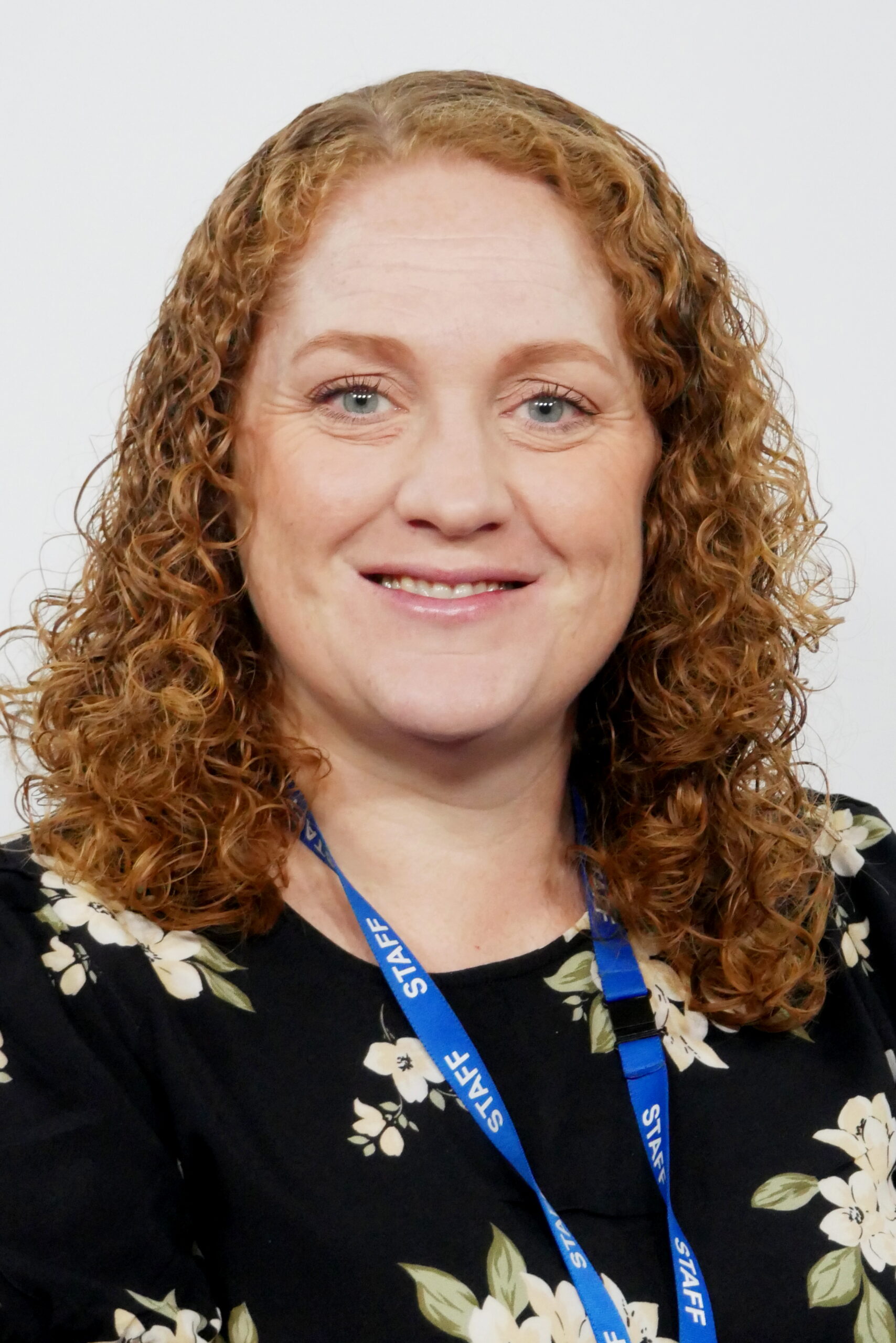
Laura Nocon
Assistant Headteacher, Specialist Provision and SEND, Collingwood School & Media Arts College
Following completing my degree in Inclusion and QTS, I have been teaching for 19 years and in the position of SENCO for 17 years. I have also performed the role of Lead SENCO for the local authority. I started my career in mainstream education before moving to specialist provision in 2021. Over the years I have had many roles in school, but SEND and being an effective and forward-thinking SENCO has always been consistent.
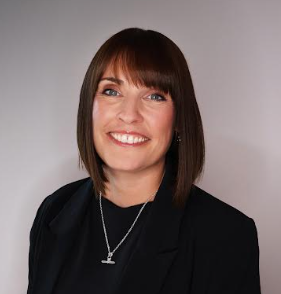
Sally Newton
Chief Executive Officer, Laidlaw Schools Trust
Sally began her teaching career in 2001 in County Durham, having been identified as a future leader through the Department for Education’s Fast Track Programme. Within four years she became Headteacher, leading national research and policy development to improve educational outcomes for Gypsy, Roma and Traveller children. Her innovative approaches to community engagement were recognised nationally.
In 2008, Sally joined Durham Local Authority’s School Improvement Team as an Education Development Partner, working across a wide range of schools across the North East to provide rapid support and challenge to leadership teams, with measurable and sustained impact. As Headteacher of Sedgefield Hardwick Primary School, Sally led the school from inadequate to outstanding in all areas. She also founded a trading company to deliver extended provision and enrichment programmes that helped children explore their talents and interests, alongside consultancy and training services for local authorities and trusts.
Following Sedgefield Hardwick’s successful transition into Laidlaw Schools Trust in 2022, Sally joined the central executive team, becoming Chief Executive Officer in 2023. Under her leadership, the Trust has achieved record outcomes at the primary phase, sustained secondary improvement and delivered major system-wide initiatives, including the Engage alternative provision model, the Skylight SEND programme and the PedTech one-to-one iPad strategy funded by the Laidlaw Foundation.
Sally also led the creation of the Laidlaw Nursery Strategy, providing 30 hours of funded
early education for all children across the Trust. This model is now recognised nationally for its impact on access, equity and school readiness.
Sally’s leadership is driven by a clear moral purpose to break the link between poverty and educational outcomes. She has brought coherence and pace to the Trust through the Shared Services Team, aligning strategy, delivery and accountability. Her focus on high-quality teaching, digital inclusion and early intervention continues to improve life chances for thousands of children and young people across the North East.
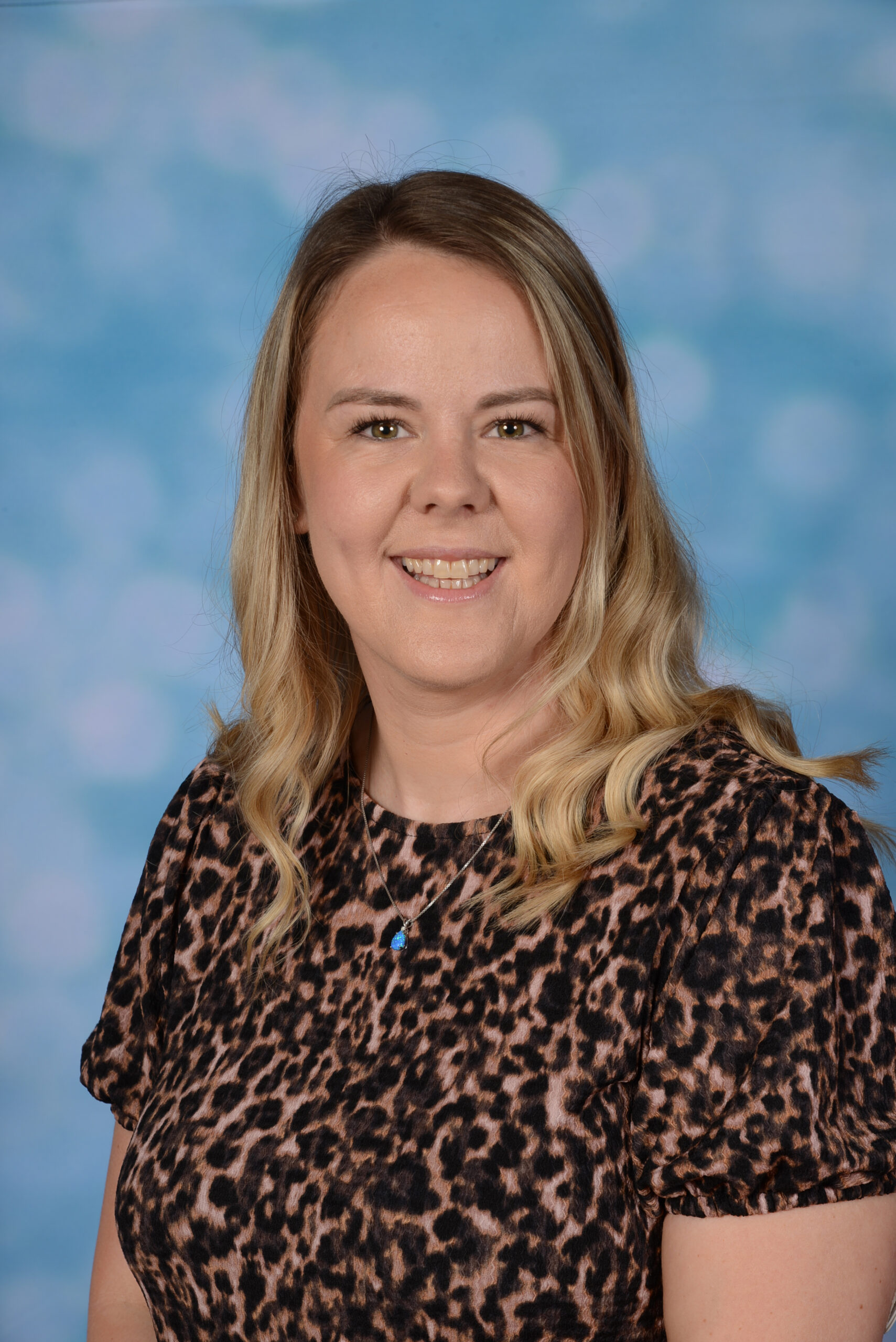
Emma Brown
Early Years Lead, Barnwell Academy
Emma is the EYFS Lead at Barnwell Academy, with 13 years of teaching experience. Over this time, she has developed a strong understanding of supporting young children and their families, particularly those with SEND, EAL, and a wide range of additional needs.
She is particularly passionate about supporting speech, language, and communication development in the Early Years. Emma has led the implementation of approaches such as Talk Boost, BLAST, Helicopter Stories, SHREC, and sustained shared thinking to create a language-rich environment where all children can thrive. She works closely with Speech and Language Therapists and have shaped their provision and daily practice to ensure communication is at the heart of everything they do.
Alongside leading an inclusive, skills-based curriculum, Emma supports and coach staff to embed these approaches in meaningful, practical ways. She is committed to sharing strategies that are realistic and impactful for busy classrooms. Emma has also supported the local authority by sharing this work on BBC News and as part of a recent SEND award nomination, highlighting the importance of early communication and inclusive practice.

Colin Lofthouse
CEO, SMART Multi Academy Trust
Following a career in archaeology after graduating from Sheffield University Colin trained as a primary teacher in 1997 at Newcastle University.
He began teaching at Chopwell Primary School, Gateshead before moving to be DHT and then AHT of Prudhoe West First School in Northumberland.
In 2008 he became headteacher at Throckley Primary School, Newcastle and led the school from special measures to outstanding status. After 6 years as Headteacher at Rickleton Primary School in Sunderland he is now the Chief Executive Officer for the Smart Multi Academy Trust, a group of 11 primary schools in the North West of Newcastle.
He has special interest in leadership support, looked after children and has been a SIP for many years. His research areas are coaching, lesson study and curriculum design on which he has co-authored books, papers and presented at conferences.
In his spare time he rock climbs, plays the piano and rides bikes (both with and without engines).

Chris Zarraga
Director, Schools North East
Chris is the Director of School North East. He has been part of the Schools North East team since its operational inception in 2008 and in 2019 he was appointed Director. Chris works with senior leaders across the North East and nationally in the education and charity sectors, to represent the voice of North East schools. A central part of his work is to lobby politicians, policy makers, and the media to put a strong ‘regional accent’ on the education debate, so that North East schools are not left behind when it comes to education policy.
Under Chris, Schools North East launched the ‘Manifesto for North East Education’. The manifesto sets out the perennial challenges that impact educational opportunities in the North East and the principles needed to inform any educational policy wanting to address them.
Chris works with hundreds of schools across the North East and various organisations including Ofsted, the DfE, the North East’s universities, Local Authorities and various regional/ national businesses. Prior to joining Schools North East, he led a £1.4 million culture change project in education across the North East for the Treasury and DfE and was responsible for setting up a multi-million pound Enterprise Education Network.
Chris sits on various advisory boards including the NHS Integrated Care Boards, various Combined Authority advisory boards, and was a member of the DfE’s Opportunity North East strategic board. He has also sat on various boards for North East Universities. As well as being a Director of two North East multi academy trusts, Chris has been Chair of a 3 school Trust, Vice Chair of a large maintained secondary school and Vice Chair of a primary foundation school.
In a variety of roles from Regional Manager to Chief Executive to Board member, Chris has led large scale change management projects in education and has over 20 years’ experience of strategic management, consultancy, and client development experience at a ‘Big Four’ firm and various financial institutions.
Chris holds an MBA with distinction from Durham University Business School.


















Tyne Bridge Restoration – Travel Information
If you are planning to travel to the conference by car, please remember that the Tyne Bridge is currently undergoing major restoration works and is down to one lane each way.
We recommend avoiding the Tyne Bridge as there are expected delays of up to 40 minutes at peak travel times. Heavy congestion is expected on the Quayside route, Swing Bridge and routes to and from Redheugh Bridge and all approaches to the Tyne Bridge from both Newcastle and Gateshead sides.
Public transport is strongly advised when travelling to and from Newcastle city centre and Gateshead town centre, whether or not you now drive over the Tyne. For those who can’t use public transport, other river crossings that drivers could use include the A19, with the Tyne Tunnel connecting North Shields and Jarrow. Further west, motorists could cross the Tyne via the A1 on Blaydon Bridge or Scotswood Bridge, which connects the A694 and A695.
Whichever route you decide to use, we advise planning ahead, allow more time for your journeys, and expect delays.
More information about parking, public transport & journey here!
Parking
The venue offers ample parking for all guests. Please make your way to the West Stand entrance upon arrival.
Public Transport
If you’re travelling from Newcastle Central Station, you can take the Green Line Metro to Kingston Park Station — it’s just a 4-minute walk from there to the venue.
The same route applies if you’re travelling from the Monument Metro stop in the city centre.
From Eldon Square Bus Station, several bus routes will also take you close to the venue, including the X47 (approximately every 15 minutes) and the X78 (approximately every 30 minutes). Both stop at Kingston Park Shops, which is about a 2-minute walk to the stadium.
If you’re driving, the journey from Newcastle Central Station takes around 20 minutes.
WiFi
Network – Exhibitors Password – Expo2017
Arrival
Please make your way to check in at the Schools North East registration desk.
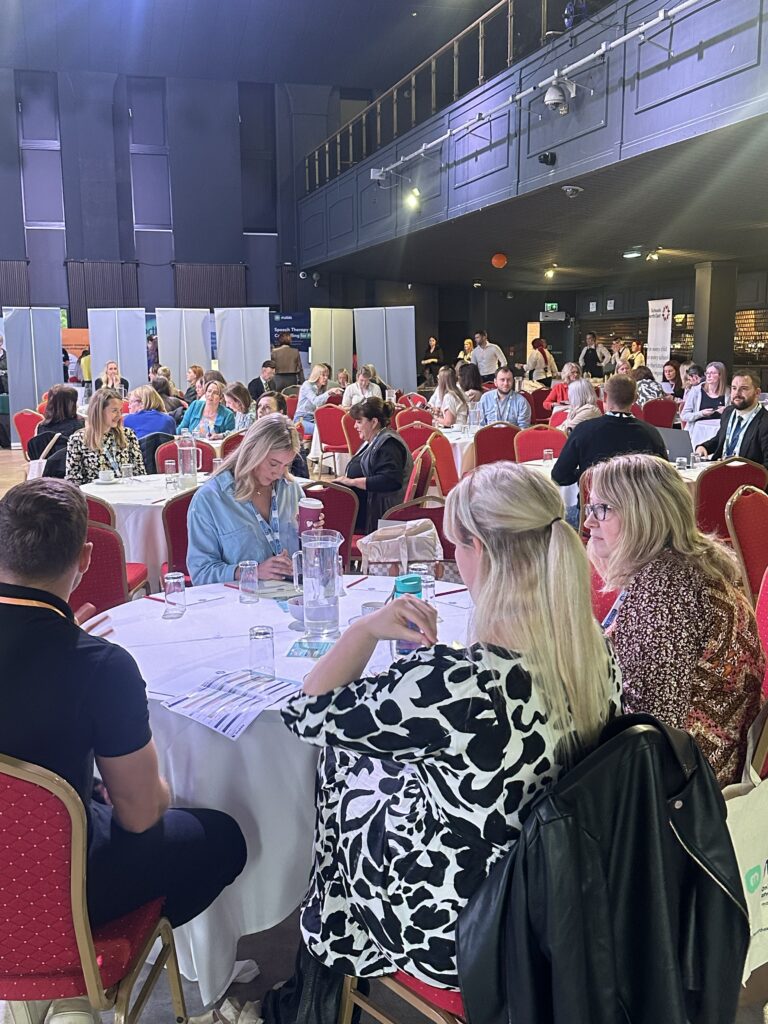
Your name badge will be laid out alphabetically by last name—just find yours, help yourself to a drink, and take a seat!
Exhibition Bingo
HOW TO PLAY:
- Visit the stand numbers on your card
- Get this card stamped by the exhibitors
- Fill in you contact details and deposit this card at the registration desk for you chance to win!
Bingo Prizes coming soon!

Please use the form below to book if you have any issues click here to open in your browser.