
Leading the future of curriculum in the North East

13/02/26
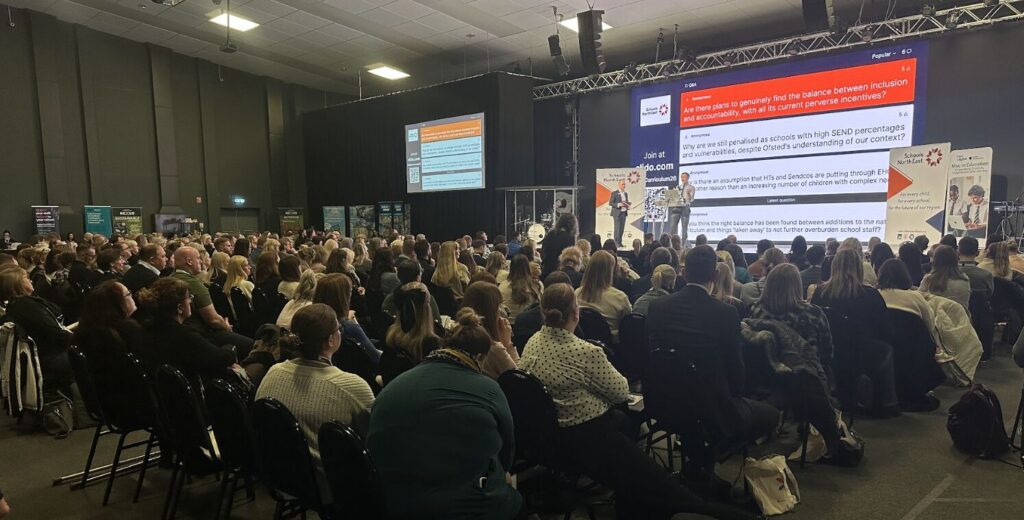
At the heart of Tuesday’s sold-out Schools North East Curriculum Conference was a powerful message from Chris Zarraga, Director of Schools North East: “This conference is about you—connecting, sharing, and strengthening our collective knowledge of curriculum.”
Chris’ words set the tone for a day dedicated to celebrating the extraordinary work happening in our schools, acknowledging the unique challenges faced in the North East, and focusing on what matters most: providing the very best education for every pupil in our region.
Leading the conversation, not reacting
Our schools are doing remarkable work, often in circumstances of persistent absence, high SEND needs, and long-term deprivation. Yet too often, this work goes unrecognised.
With the government’s national curriculum review underway, Schools North East is leading the conversation on behalf of the region, calling for a curriculum that is responsive to local contexts, fairly funded through a Context Premium, and inclusive in assessment, moving beyond high-stakes exams to recognise all pupils’ progress.
This ethos framed the entire conference. It wasn’t just about policy. It was about practice, evidence, and equity, and how educators can translate these priorities into meaningful classroom experiences.
Inclusive curriculum in action
The keynote from Gary Aubin, SEND Consultant and Director of SEND at Whole Education, built directly on our message. Gary explored how curriculum and assessment must work together to create truly inclusive learning environments, highlighting recommendations from the Curriculum & Assessment Review that can better support pupils with SEND.
His session reminded delegates that leadership in curriculum isn’t just about compliance, but rather about designing education that meets the diverse needs of every child.
Similarly, the session on adaptive teaching and scaffolding with Alex Fairlamb offered practical strategies for delivering on the Schools North East curriculum vision: teaching to the top while supporting all learners, ensuring that no pupil is left behind.
Paul Wright’s session on AI in the classroom complemented this, demonstrating how teachers can reclaim time for high-impact teaching, focusing on what truly supports student progress.
Equity and opportunity
Our call to recognise regional barriers to learning also resonated in Professor Lee Elliot Major’s keynote, which urged schools to embrace equity in education.
By moving away from deficit thinking and focusing on pupils’ strengths, removing barriers, and building respectful partnerships with families, Lee provided practical strategies for embedding equity across curriculum, pedagogy, and school culture.
This was mirrored in Stuart Mayle’s Character Taught session, which explored how schools can instil core values and character development throughout the curriculum, supporting both social and academic growth.
Preparing pupils for a complex world
Education in the North East is not just about content, and is instead about equipping young people to navigate a complex world.
Michael Kane and Kahil Ali’s keynote on tackling misinformation and online conspiracy beliefs highlighted a growing challenge: ensuring students develop the critical thinking skills and digital literacy they need to engage confidently with information in and beyond the classroom.
Helen McStravick’s session on media and financial literacy further reinforced this point, linking curriculum review priorities to practical strategies for building pupils’ knowledge and discernment across subjects.
And in the final breakout session of the day, Jonathan Ferstenberg’s personal development curriculum session reminded us that education must integrate RSE, SMSC, citizenship, and SEND support to ensure pupils are not just academically equipped, but prepared for life in all its dimensions.
Thank you
Thanks again to all delegates, speakers, sponsors, and exhibitors—especially main event sponsor MCC Digital—for making this sold-out event possible.
As Chris reminded us all on Tuesday, it’s not enough to react to change. By connecting, sharing, and strengthening our collective knowledge, we lead the conversation, influence national policy, and ensure that pupils in the North East have access to the highest-quality, most inclusive education possible.
We Lead, Not Plead.