
Falling rolls, rising need: Why the North East’s education system is at a turning point
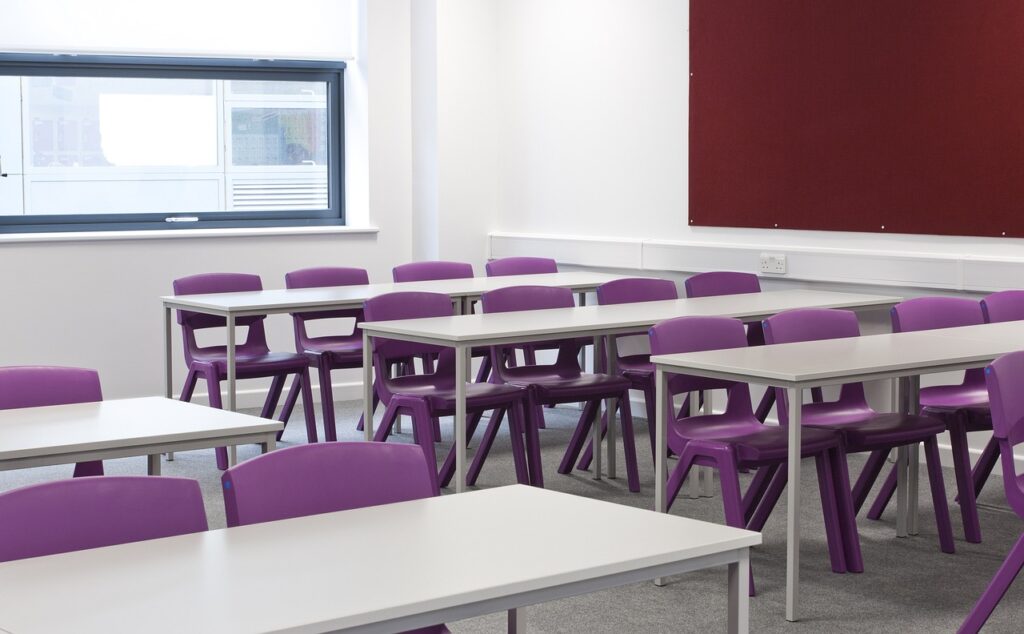
Over the last few months, Schools North East has been lobbying hard on two issues critical to the future of North East education: falling pupil numbers and the growing crisis in school readiness. We’ve had significant success engaging the media with these issues, especially with ITV in October.
Our most recent success occurred only yesterday (22 January), when BBC Look North visited the Schools North East offices to discuss the wider implications of falling pupil rolls across our region, and the dangers that this poses to future funding settlements.
These national interviews help amplify what the Schools North East network has been emphasising for years: our region is facing unique and urgent challenges that can no longer be ignored.
As the voice of all 1,150 schools in the North East, we see daily — through our surveys, roundtables, council and trustee meetings, and annual programme of events — how these pressures are playing out in classrooms, staffrooms, and communities. So we push relentlessly to ensure these concerns are aired on a national stage.
Pupil numbers are falling nationwide, but by the biggest margins in our region. In the North East, that decline is hitting at the same time as rising disadvantage and worsening school readiness, a combination that is stretching schools to breaking point.
This is a story of shrinking budgets, growing need, and a system being asked to do more with less.
A national trend but a regional crisis
Nationally, total pupil numbers peaked in 2022/23 at 7.57 million. By 2028/29, they are projected to fall by over 436,000, with a further decline of nearly 400,000 by the early 2030s.
The primary phase is already shrinking. Since 2018/19, numbers have been falling, and they are forecast to drop by 12% nationally by 2028/29. Secondary numbers will peak this year, then begin to decline.
But this national picture hides sharp regional differences.
The North East is facing the steepest primary decline of any region in England.
- Primary pupils: –12.7% by 2028/29
- Secondary pupils: among the largest declines nationally
- Primary funding: –9% by 2029/30, the worst in the country
In some local authorities the picture is even more stark:
- Redcar & Cleveland: –18.4% primary pupils
- Hartlepool: –15.1% primary pupils
- Sunderland: –13.6% primary pupils
- County Durham: –11.9% primary pupils
Meanwhile, regions such as the South East and East of England are seeing stability or growth. This is not a level playing field and it requires targeted national intervention.
The financial reality for schools
School funding is driven by pupil numbers. When rolls fall, so does income. But, unsurprisingly, costs (such as staffing, buildings, transport and support services) do not fall at the same rate.
As one leader put it: “A class shrinking from 30 to 25 pupils doesn’t mean you can reduce staffing costs by one-sixth of a teacher. Costs don’t fall like rolls do.”
This is particularly acute in the North East, where the school estate is already among the worst in the country. Buildings still need heating, repairs, and compliance. These are unavoidable costs. The result? Structural deficits, even in well-run schools.
At the same time: Rising need in the Early Years
While pupil numbers are falling, the needs of the children arriving at school are rising. A third of children nationally are now not “school ready” when they start Reception — and school leaders in the North East report that the figure may be even higher.
They describe children who are not toilet trained, cannot follow simple instructions, struggle to play, share, or communicate, and have severe speech, social, and emotional needs. One Head Teacher told us: “We’ve carried out 156 nappy changes already this year in school. That’s time away from learning.”
This affects entire classes, not just individual children. Teachers report losing over two hours of teaching time every day managing basic care and behaviour. This is not new, either. In fact, warnings were raised over a decade ago, but several forces have combined to create a perfect storm, including COVID, cost-of-living pressures, and increased parental and child screen time.
Falling rolls + rising need = A dangerous mismatch
This is the real crisis. As we’ve repeatedly highlighted in recent years, schools in the North East are being asked to support children with greater developmental and emotional needs, while simultaneously losing funding because of falling rolls.
This week’s report on education spending from IFS suggests a potential £1.8 billion ‘saving’ for the DfE by the end of the decade due to falling pupil numbers. If that money is simply redistributed through the system, it will disproportionately benefit regions where rolls are stable or growing — widening the gap.
Chris Zarraga, Director of Schools North East, said: “Falling rolls are not just a demographic story, they are a risk of hardwiring more inequality into the funding system. A class shrinking from 30 to 25 pupils doesn’t mean you can reduce costs by one-sixth of a teacher; costs don’t fall like rolls do.
“In places like Hartlepool and Redcar, we’re seeing some of the steepest school roll declines in the country, on top of already high deprivation. The Treasury must not treat falling rolls as a windfall: in the North East, otherwise it means further shrinking budgets in the areas with the highest need.”
A final word
Falling rolls are not just a demographic story. School readiness is not just an early years issue. Together, they are reshaping education in the North East.
If funding, policy and support systems do not adapt, we risk hardwiring inequality into the system, shrinking resources in the very communities that need them most.
This is a moment for bold, regionally responsive policy, and for placing children and families at the centre of reform, not at the margins.