SEND reform, policy change and the power of community: Reflections from the NNoSS Conference
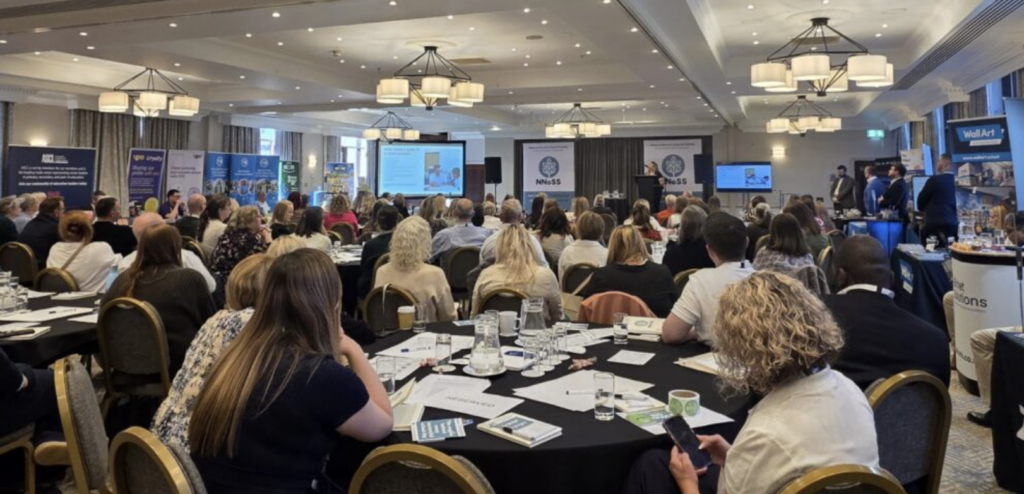
This year’s National Network of Special Schools for School Business Professionals (NNoSS for SBPs) conference took place at a pivotal moment for education. With major reforms to SEND provision, alongside wider consultations on areas such as medicines in schools, leaders find themselves at the heart of some of the most significant system changes in a generation.
NNoSS is a collaborative network of SBPs working across special schools, alternative provision, and hospital schools in England. Powered by Schools North East, it provides support, information, and professional development, while enabling members to share best practice, strengthen provision for every learner, and collectively influence decision-makers for the benefit of the specialist sector.
One message resonated clearly from the opening of the conference right through to closing: while policy sets the direction, it is the expertise, infrastructure and commitment within schools that determines whether reform succeeds in practice.
From policy ambition to operational reality
The current SEND reform agenda sets out an ambition for a more inclusive system where every child can thrive. But as our fantastic line-up of speakers emphasised throughout the NNoSS Conference, this ambition only becomes reality through the operational decisions made every day in schools and trusts.
From workforce deployment and accountability frameworks to estates management, safeguarding, procurement and finance systems, it’s our remarkable School Business Professionals and leaders who translate policy into delivery. They truly are the engine behind every successful school day.
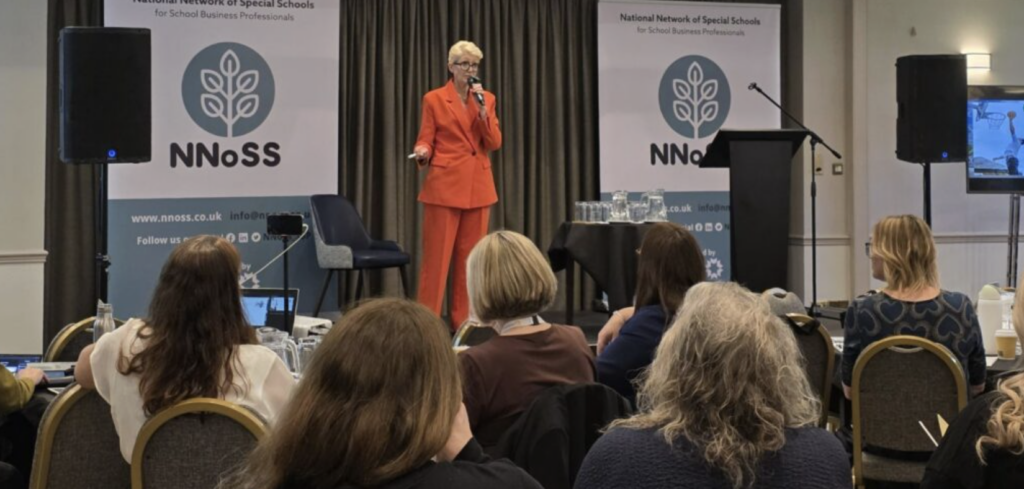
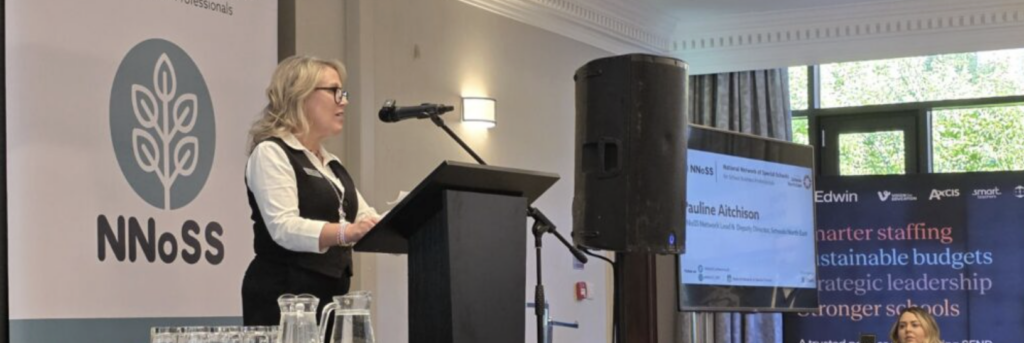
And as Pauline Aitchison (NNoSS Network Lead and SNE Deputy Director) highlighted in her welcome speech, reform is written in strategy but delivered through infrastructure, and specialist settings sit firmly at the centre of that infrastructure.
This perspective framed a powerful policy briefing from Ben Hardy, Policy Manager at Schools North East, who explored the implications of SEND reform and wider system change through a specialist lens.
A moment for the sector to be heard
Alongside SEND reform, delegates were also reminded of the importance of engaging with current government consultations, including those on medicines in schools and school food standards.
The morning wrapped up with a brilliant interactive roundtable session, reminding everyone in the room that these conversations really do matter — sharing real experiences, challenges, and insights from across the sector to help shape the collective response to SEND reforms.
While NNoSS will respond collectively on behalf of members, the importance of individual school voices was strongly emphasised. In a period of rapid policy development, coordinated engagement from the sector is essential to ensure that reforms reflect the realities of delivery. The sector deserves nothing less.
As we constantly highlight at Schools North East and NNoSS: when schools speak together, the influence is significantly stronger. We are collecting views from special, hospital and alternative provision via this SEND reform consultation survey here.
The strength of specialist education
Throughout the day, the discussion repeatedly returned to the unique role of specialist education within the wider system. Each session highlighted not only the complexity of provision, but also the innovation taking place across the sector in England.
For example, the session led by NNoSS members Amanda Goldthorpe-Hall and Helen Stewart explored how outreach and satellite provision can be delivered at scale, demonstrating how inclusion is already being embedded in practice across the country.
Later contributions from sector leaders Dame Christine Lenehan, Karen Smith, Mark Vickers and Jayne Franklin reinforced the importance of recognising specialist education as a core national resource, not an add-on to the system, but central to its success.
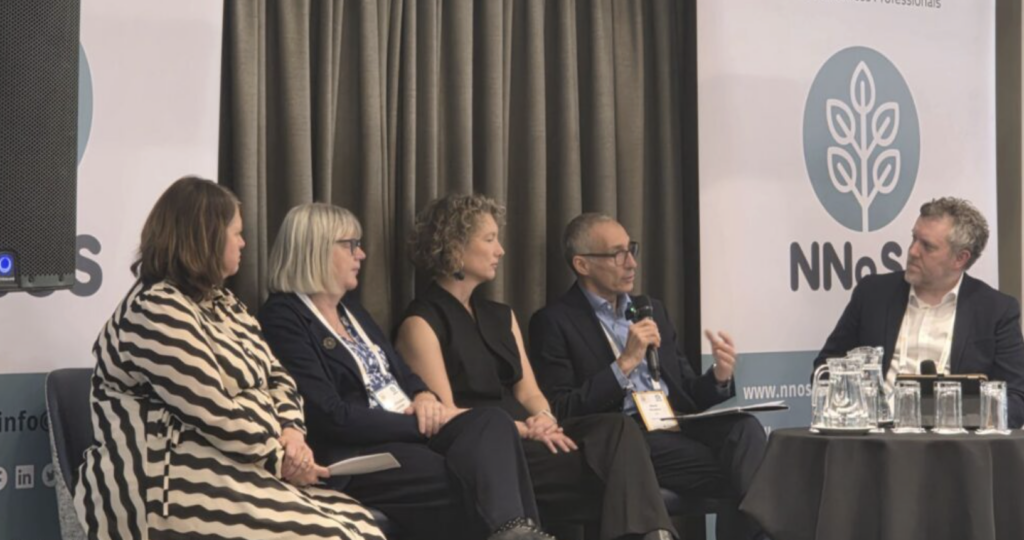
Bringing together perspectives from special schools, alternative provision, hospital education, and policy, the panel discussion explored the opportunities and challenges ahead, and the role specialist settings will play within a more inclusive system. Members were invited to submit questions via Slido, enabling a more nuanced discussion that addressed a range of experiences and contexts.
Belonging, leadership and the road ahead
The conference closed with reflections on belonging, leadership and the importance of culture in times of change. A keynote from leadership consultant Hannah Wilson explored how belonging shapes relationships across teams, systems and stakeholders, which served as a timely reminder that reform is not only structural, but human.
Alongside this, contributions from Dame Christine Lenehan’s keynote added further weight to discussions around system redesign, inclusion and the long-term direction of policy. As reported by Schools Week, Christine told delegates how government is “worried” the current system is “not good at understanding” poverty and deprivation, as well as how culture and race interact with disability.
A growing national community
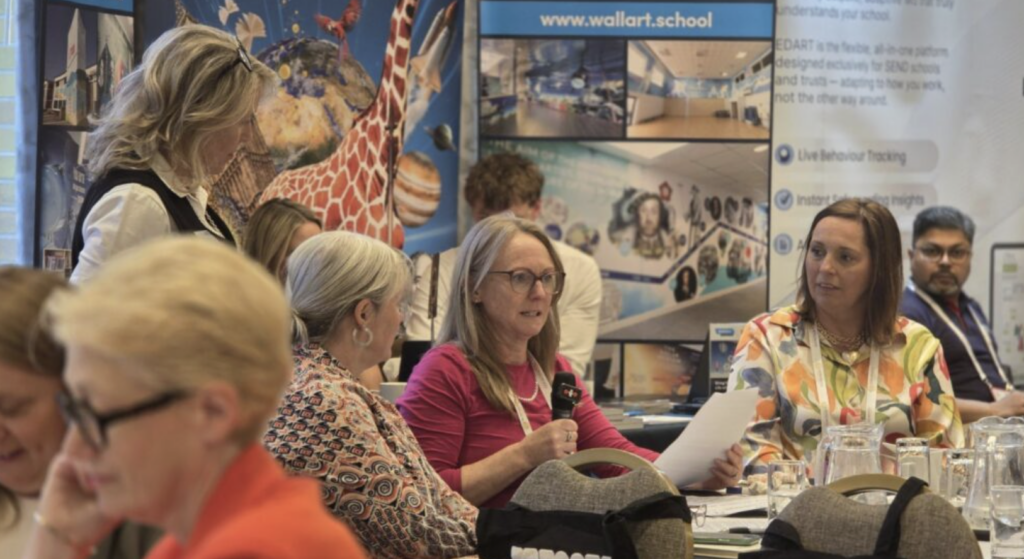
Now in its sixth year, NNoSS has grown from a DfE-supported initiative into a thriving national network of almost 300 members across the specialist sector. What began as an effort to reduce isolation has become a vibrant community of practice.
That sense of connection was evident throughout the conference, not only in the sessions but in the conversations, collaboration and shared problem-solving taking place across the room. As Pauline reflected, the strength of NNoSS lies not only in its reach but in its ability to ensure that no one working in a specialist setting feels alone in their role.
Community as the constant
In a landscape defined by reform, consultation and uncertainty, one theme remained constant throughout the day: the power of community. Whether through formal policy discussion, peer-to-peer learning, or networking, the conference demonstrated the value of bringing together those working at the sharpest end of the system.
A huge thank you to all NNoSS members for coming together for the sixth annual conference. The value of this kind of collaboration cannot be overstated, especially at such a pivotal moment for SEND reform. Thanks also to all speakers and exhibitors for sharing their expertise, insight and time. And a special thank you to main event sponsors, Edwin.
As Schools North East continues to support and facilitate NNoSS, that sense of shared purpose remains central, ensuring that specialist leaders are not only responding to change, but helping to shape it. Because in times of reform, connection is not a nice-to-have… it’s what makes delivery possible.
*
Interested in becoming a NNoSS member? By joining the National Network of Special Schools for School Business Professionals, you become part of a united community dedicated to championing the needs, expertise, and voice of special schools across the country. Through the network, you will gain access to a thriving online community, regular information updates, free CPD webinars, termly virtual networking meetings, and more.
Together, we strengthen our influence, share solutions, and work to secure the best possible outcomes for children and young people with special educational needs and disabilities across England. Learn more today.