
Education Secretary’s first committee appearance leaves key questions for North East schools
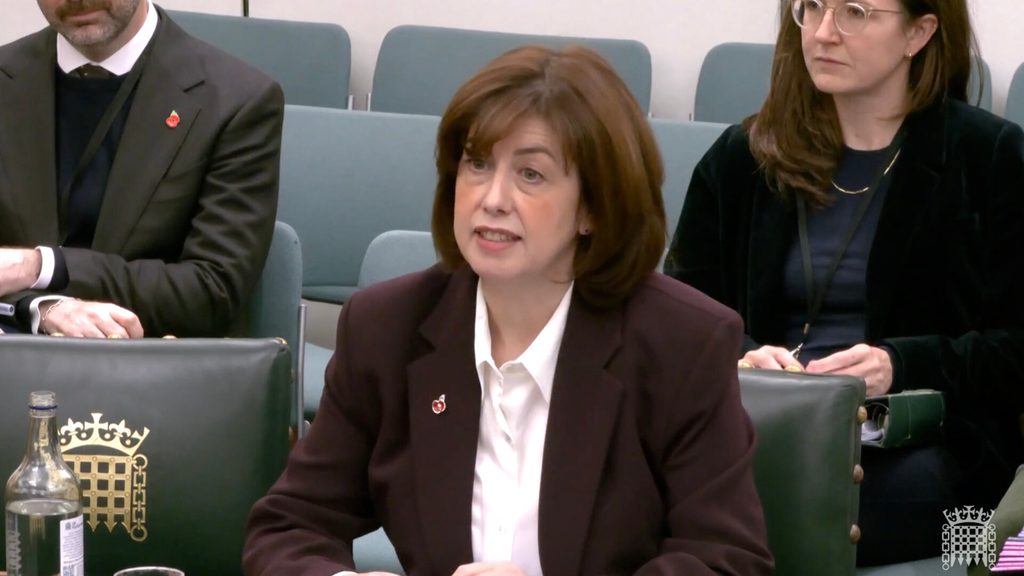
SEND reform, Ofsted, Mission North East and falling pupil rolls were among the issues raised when Education Secretary Lucy Powell appeared before the House of Commons Education Select Committee for the first time this week. While the session offered some indication of the Government’s priorities, significant questions remain about how national policy will respond to the particular challenges facing schools and communities across the North East.
On Wednesday 4 November, Powell gave evidence to the Education Select Committee, discussing the future of Ofsted inspections, SEND reform, regional education missions and the financial pressures created by falling pupil numbers.
Our Manifesto for North East Education sets out the need for policy that recognises regional context, listens to schools and takes a long-term approach to improving outcomes. The hearing reinforced the importance of these principles, but there’s still much to be clarified about how they will translate into practical support.
Ofsted: context must be recognised, not penalised
Powell acknowledged concerns that schools serving disadvantaged communities, or with higher proportions of pupils with SEND, could be disadvantaged by aspects of the renewed inspection framework. She also questioned whether the secure fit approach places too much emphasis on data at the expense of professional judgement.
These comments reflect concerns we’ve consistently raised. Schools do not operate in identical circumstances, and inspection must recognise the context in which they work. Across the North East, long-term deprivation, unequal access to services and complex pupil needs all affect the challenges schools face.
We will continue to make the case for an accountability system that provides a fair picture of a school’s work, recognises its starting point and supports improvement rather than punishment.
SEND reform: the detail will matter
Further developments on SEND reform are expected early in 2027, including the Government’s consultation response, proposed legislation, national inclusion standards and packages for specialist provision.
For North East schools, the stakes are considerable. Our region has some of the highest rates of SEND in England, while school leaders continue to raise concerns about increasing needs, pressure on specialist places and delays in accessing external services.
Reform must be properly resourced across mainstream, special and alternative provision, with health and other services working alongside schools. Early identification, timely assessment and sustained support are essential. Schools cannot deliver inclusive education without the staff, expertise and services to make it possible.
Mission North East: ambition needs to be matched by investment
Powell confirmed that Mission North East and Mission Coastal are under way, with action plans being developed to address barriers to improved outcomes. She also acknowledged that the funding available does not allow for interventions on the scale of the London Challenge.
We welcome the recognition that place matters, but the region’s challenges cannot be addressed through initiatives focused on schools alone. Poverty, health, transport and access to services all influence children’s lives and their experience of education.
As we argued in our recent response to Mission North East, meaningful progress requires action on the wider ‘structural divide’ and inequalities. Schools must help shape local priorities, alongside other public services, and ambition must be matched by sustained investment.
Falling rolls: a long-term challenge for schools and communities
The Committee also discussed the impact of falling pupil numbers, particularly in primary schools. Powell recognised that funding can fall as rolls decline, even when staffing and running costs cannot be reduced at the same rate.
She suggested surplus school space could offer opportunities to expand Early Years provision, SEND services and school-based health support. However, decisions about the future of school buildings must take account of local needs and involve the schools and communities affected.
Smaller schools, particularly in rural and isolated areas, face specific pressures. A long-term approach to funding and estate planning is needed so schools are not left managing the consequences of changing pupil numbers alone.
North East schools must help shape what comes next
The Education Secretary’s appearance before the Committee highlighted the scale of the decisions facing the Government, but also the questions that remain about how its ambitions will be delivered.
For Schools North East, the message is clear. Reform must recognise the structural inequalities facing our region, be informed by evidence from the schools expected to deliver it, and be backed by the long-term investment and joined-up support that children and young people need.
Our schools have demonstrated time and again that they are capable of exceptional work, often in the face of significant disadvantage. Their expertise must be recognised, their achievements celebrated, and their experiences placed at the heart of national decision-making.
As the Government develops its plans for SEND, accountability and Mission North East, Schools North East will continue to challenge assumptions, scrutinise proposals and bring the collective voice of our 1,150 schools directly to policymakers.
The North East does not simply need policies designed for it. It needs a meaningful role in shaping the decisions that will determine its future.
Continue the conversation
Our Ofsted Annual Update events take place in Newton Aycliffe on 12 November and North Shields on 13 November. These events will give leaders the opportunity to hear from Ofsted, understand how the renewed inspection framework is being applied and consider what it means for their schools and trusts.
Looking further ahead, our Academies Conference on 21 January 2027 and Inclusion Conference on 25 February 2027 will provide further opportunities for leaders to share expertise, discuss national reforms and strengthen the collective voice of North East education.