
Inclusion Conference 2026: Shaping the future of inclusive education together
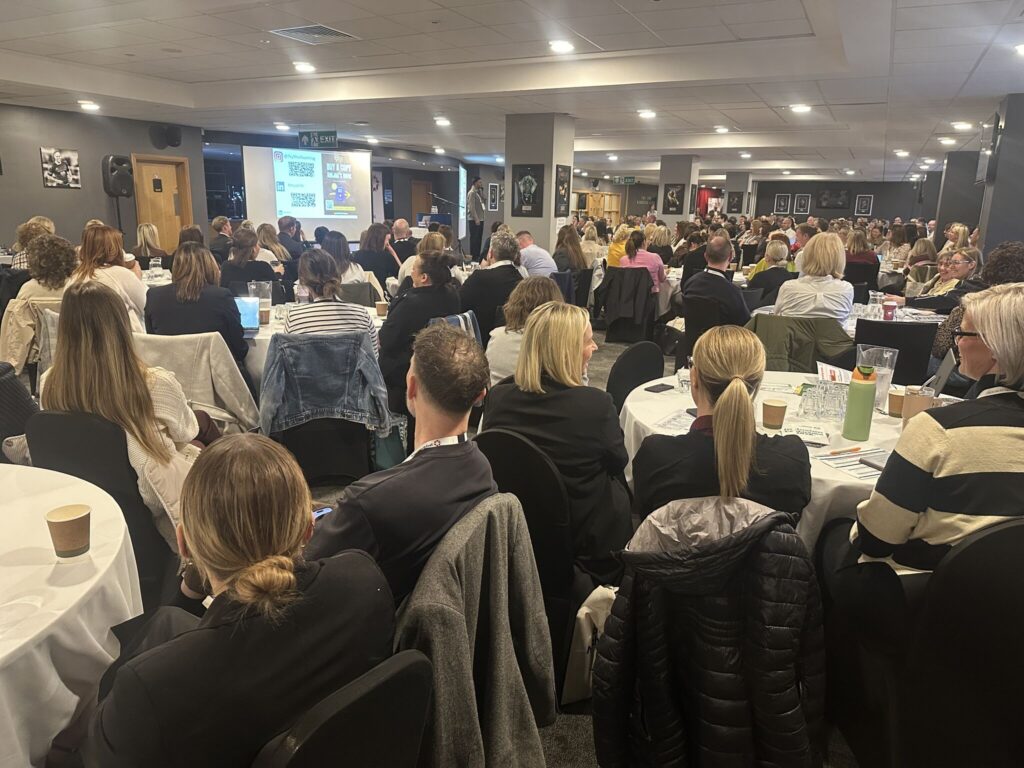
On Tuesday (19 May), colleagues from across the North East and beyond came together for our Inclusion Conference 2026, a day centred on collaboration, reflection, challenge and practical action at one of the most important moments for inclusion in education.
Inclusion is no longer a parallel conversation in education; it’s now central to the national agenda. Across the Schools White Paper, SEND reform and the evolving Ofsted framework, schools and trusts are increasingly being asked to demonstrate how they identify need early, remove barriers to learning and create high-quality inclusive provision for all children and young people.
At the same time, however, schools continue to face immense pressures around SEND, SEMH, attendance, behaviour, anxiety, workforce capacity and wider disadvantage, which are challenges felt sharply here in the North East specifically.
Why inclusion conferences like this matter
One of the strongest messages throughout the day was that inclusion cannot sit within a single department or strategy document. It runs through every aspect of school life: curriculum, teaching, attendance, pastoral care, leadership, relationships, communication and culture.
But for many schools, this work around inclusion is not new. Long before policy frameworks caught up, school leaders and staff were already adapting classrooms, supporting anxious children, working alongside struggling families and finding ways to help young people feel safe, valued and understood.
Inclusion in a time of pressure and change
A major focus of the conference was the reality facing schools today. Speakers acknowledged the understandable anxiety many leaders currently feel around the future direction of inclusion policy:
- What will Ofsted expect?
- What does “ordinarily available provision” really mean?
- How can schools balance increasing need with finite capacity?
- How do we ensure inclusion strengthens standards rather than being positioned against them?
Of course, these are legitimate questions. But throughout the day, speakers consistently returned to the same message: inclusion cannot become another expectation placed on schools without the workforce, expertise, infrastructure and support needed to make it genuinely sustainable.
The Schools North East Inclusion Conference created space for honest conversations about these tensions, while also showcasing the extraordinary expertise, innovation and compassion already present within our region’s schools.
Keynote spotlight: Amjad Ali
One of the standout keynote sessions came from educator and speaker Amjad Ali, whose humorous, thought-provoking and highly practical keynote challenged schools to rethink how inclusion operates in everyday practice.
At the heart of his message was a simple but powerful principle: “What is needed for some benefits all.”
Amjad explored how many strategies traditionally associated with SEND support (visual scaffolds, task sequencing, movement breaks, explicit instruction and clear routines) are not specialist add-ons, but approaches that improve learning for all children.
His keynote challenged schools to move away from an over-reliance on labels and instead focus on identifying and removing specific barriers to learning. Rather than asking what diagnosis a child has, the more important question becomes: What is making learning difficult, and how can we respond effectively?
Through memorable analogies, humour and direct challenge, he encouraged our delegates to reflect honestly on practice, culture and professional habits. He spoke about the importance of moving from temporary “buy-in” to genuine belief in inclusive approaches, while also critiquing performative practices that create workload without impact.
Sally Newton and the “Skylight” model
Sally Newton, CEO of Laidlaw Schools Trust, delivered a compelling keynote exploring the Trust’s ambitious “Skylight” inclusion model and the wider systemic barriers schools face.
Sally argued that the challenge is not a lack of commitment to inclusion within schools, but the fact that many parts of the education system were not originally designed with inclusion in mind.
Her session explored three key challenges schools commonly face: reactive responses to need; specialist expertise sitting outside classrooms, and environments that are not always designed to support regulation, dignity and belonging.
The “Skylight” approach seeks to change this by:
- empowering teachers with practical support,
- bringing specialist expertise directly into schools,
- and creating intentionally designed spaces that support regulation and reintegration.
Importantly, Sally emphasised that inclusion should never become internal exclusion. The goal is not simply where a child sits, but whether they genuinely feel they belong within their school community.
Her session highlighted the importance of proactive support, relational practice, sensory-aware environments and equity-driven leadership — all with the ultimate aim of helping more children thrive successfully within mainstream education.
Exploring disadvantage, belonging and the role of schools
Other keynote sessions from Ed Davies (Director of Research, Centre for Social Justice) and Marc Rowland (Disadvantaged Learners Adviser, Unity Schools Partnership) explored the widening responsibilities schools are increasingly carrying in modern society, particularly around disadvantage, attendance, mental health and family support.
Their sessions examined the complex relationship between poverty, belonging, agency and educational outcomes, while challenging schools to focus on what they can most powerfully influence: high-quality classroom practice, relationships and inclusive learning environments.
A particularly powerful theme throughout these two keynotes was that there is no separate “disadvantage pedagogy”; rather, excellent inclusive teaching benefits all pupils.
In their own ways, both speakers highlighted the importance of reading and literacy as foundations for success; building belonging through representation and relationships; avoiding deficit narratives around families; strengthening agency and aspiration, and ensuring every child participates meaningfully in learning every day.
The sessions also explored wider societal pressures around mental health, family instability and attendance, while recognising that schools cannot (and should not!) be expected to carry every responsibility alone.
Wider conference themes
Alongside the keynote addresses, the conference featured an outstanding range of workshops and contributions covering vital areas of inclusive practice.
Sessions explored everything from inclusion in the early years and adaptive teaching, through to supporting SENCo workload and wider approaches to inclusive culture and provision.
A huge thank you goes to all of our speakers and contributors for sharing their expertise, honesty and practical insights throughout the day. The breadth and quality of discussion demonstrated just how much innovation and commitment exists across our region.
Looking ahead together
If there was one overarching message from Inclusion Conference 2026, it was this: no school should feel they are carrying this work alone.
The North East has always been strongest when it works collectively, and this conference reflected the power of schools, trusts, professionals and communities coming together openly and honestly to learn from one another.
As inclusion becomes one of the defining conversations in education, spaces like this matter more than ever. They matter because they allow us to challenge, reflect, collaborate and shape what truly inclusive education should look like — not only nationally, but here in our own communities.
Thank you to everyone who attended, contributed, supported and helped make the conference such a success. We would also like to thank our exhibitors and partners whose support helped create such a valuable and inspiring day.
Most importantly, thank you to the educators, leaders and professionals who continue this work every single day, building environments where all pupils feel able to belong.
For every child, for every school, for the future of our region.